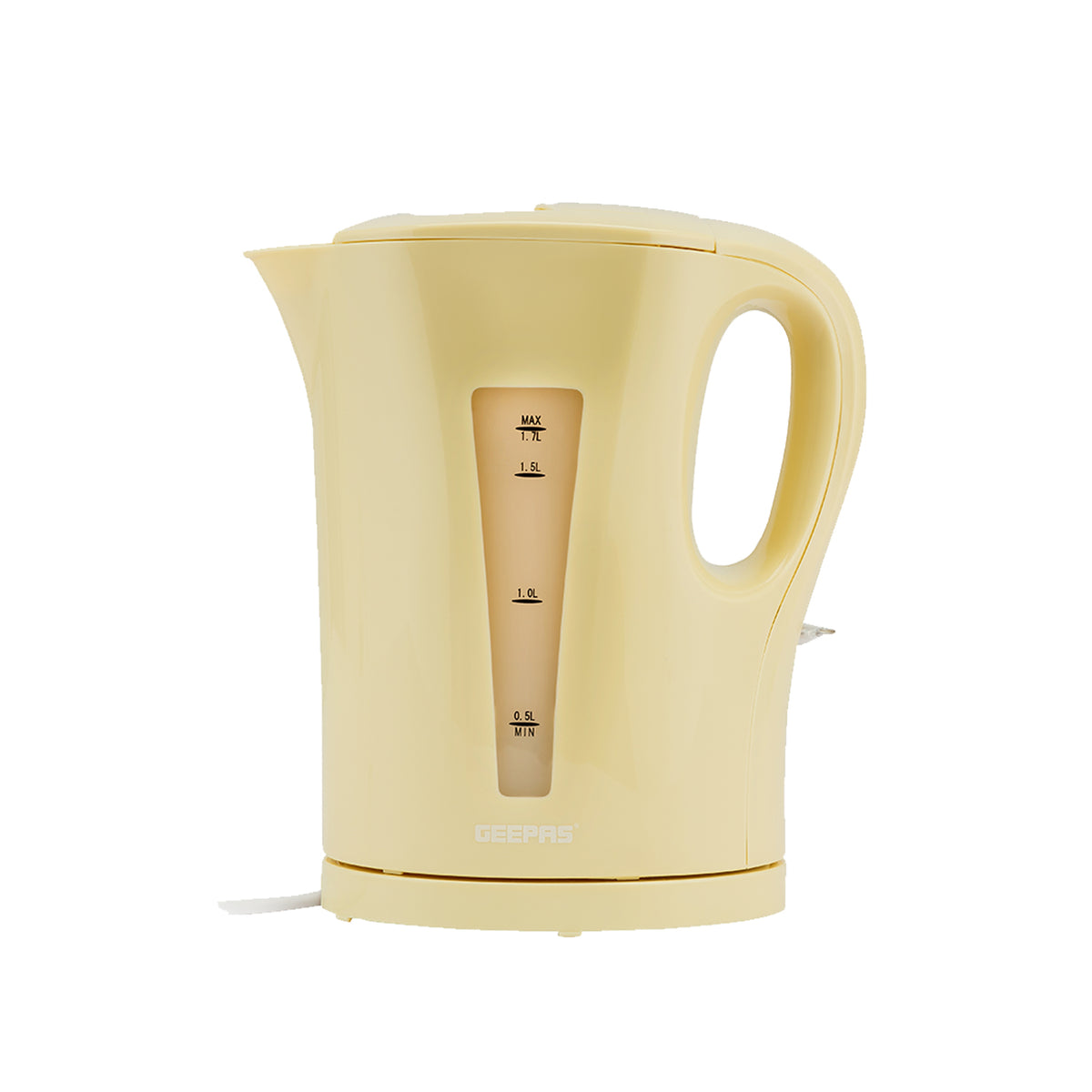
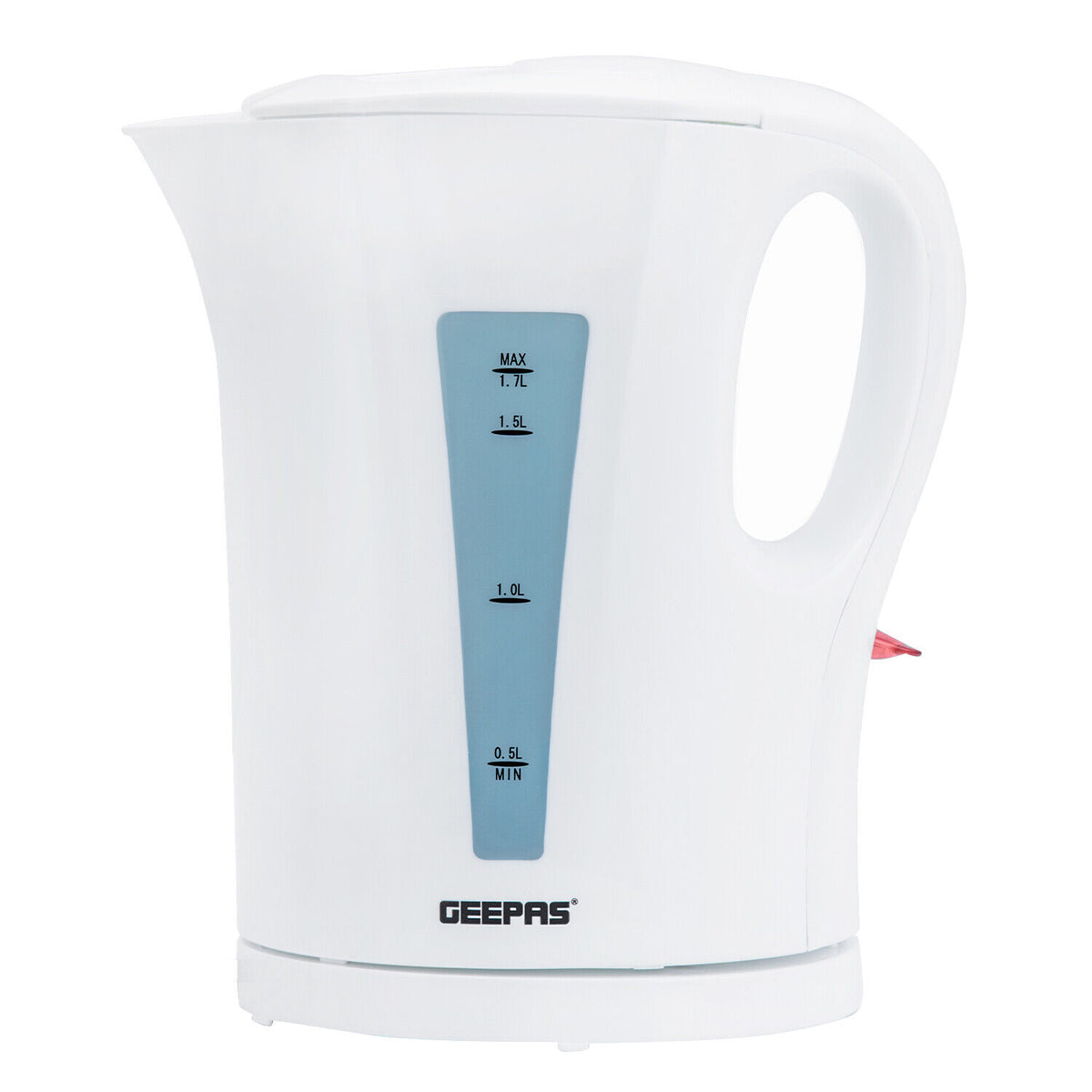
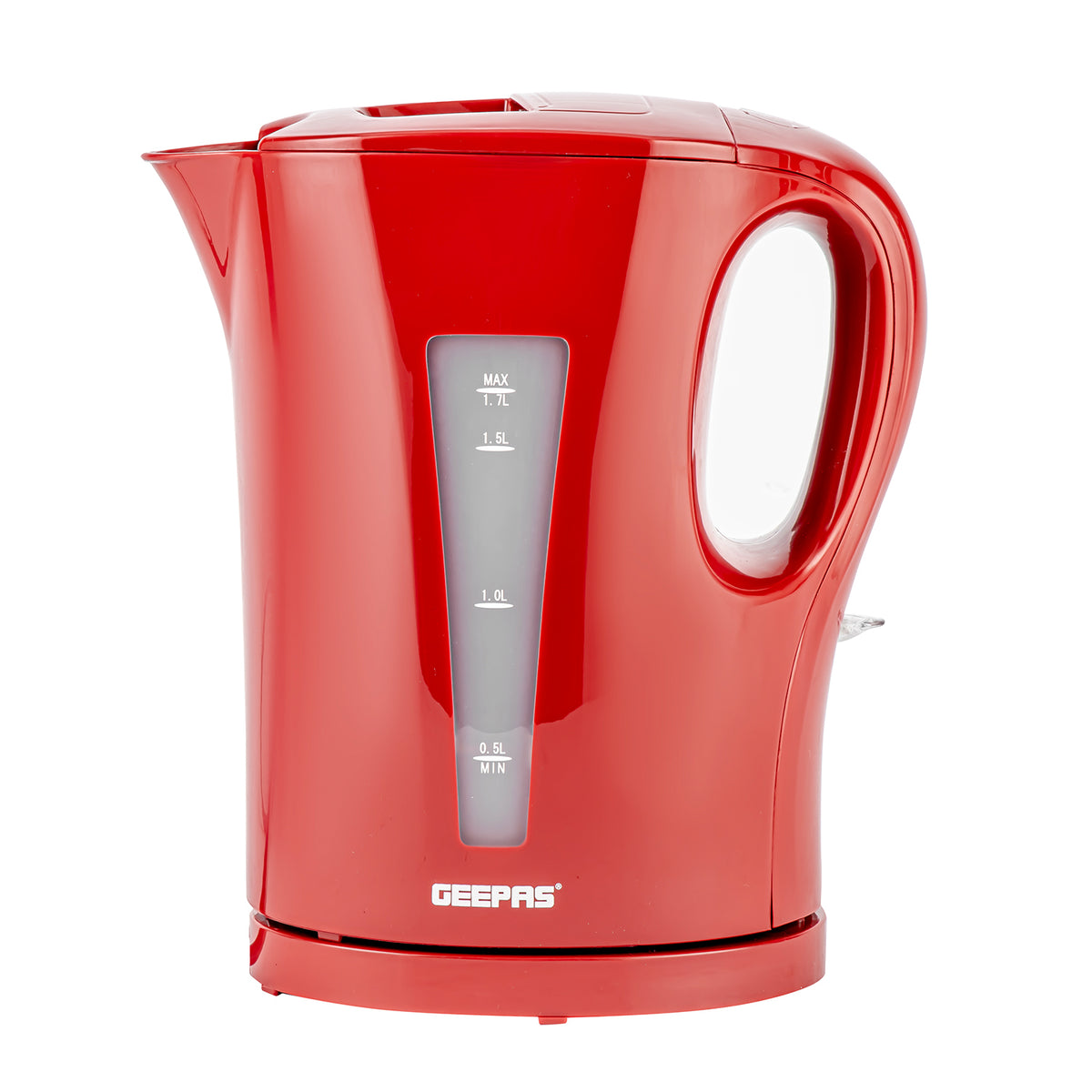
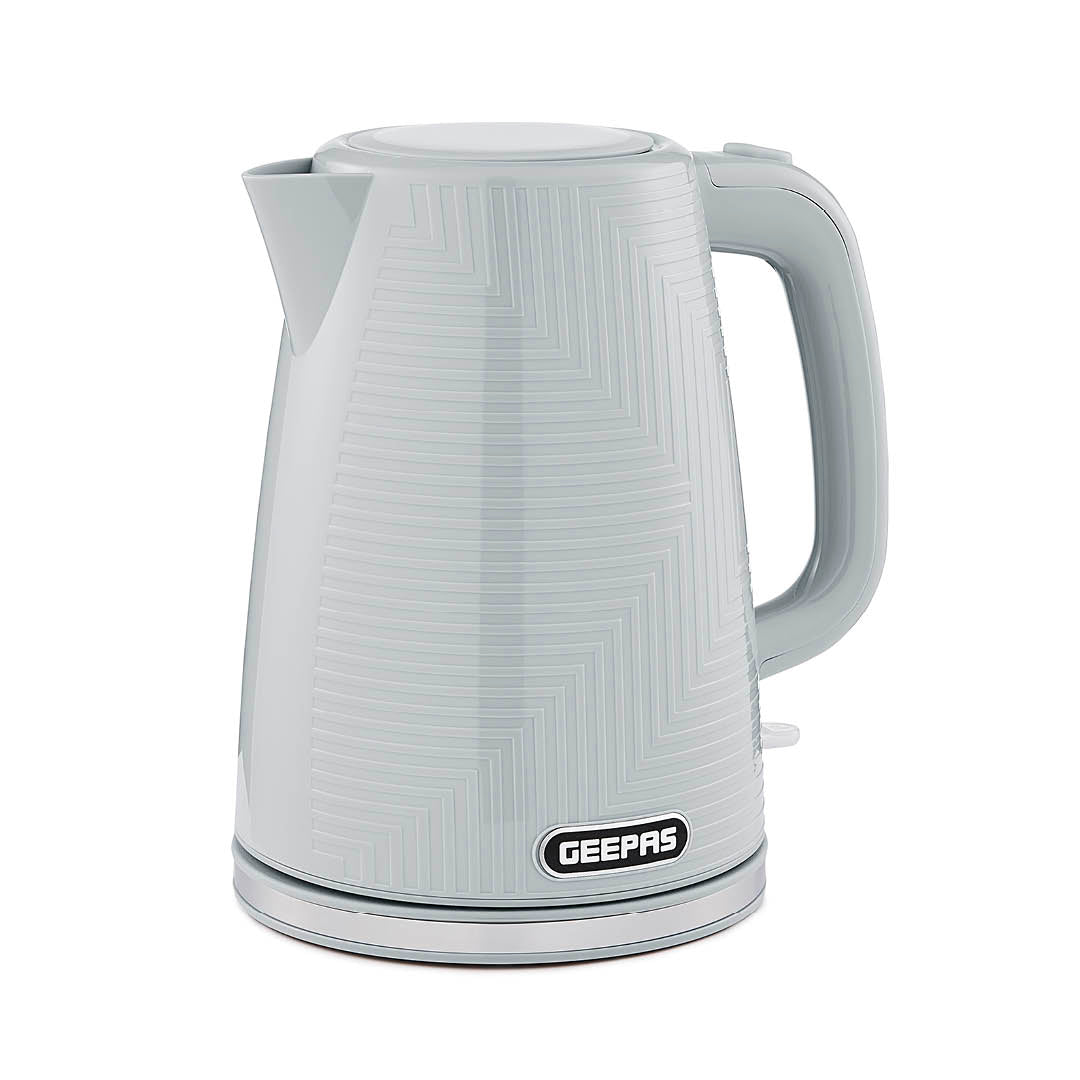
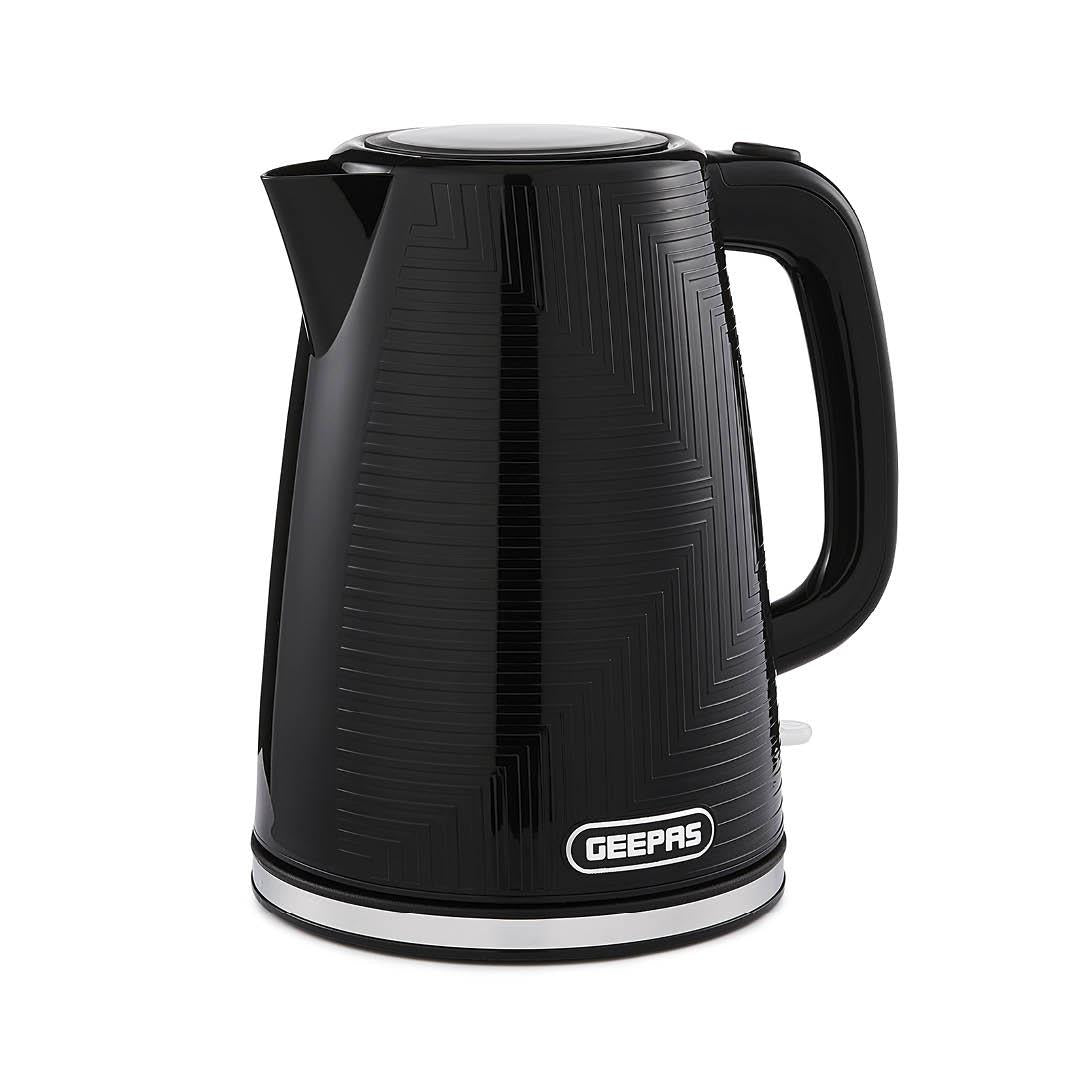
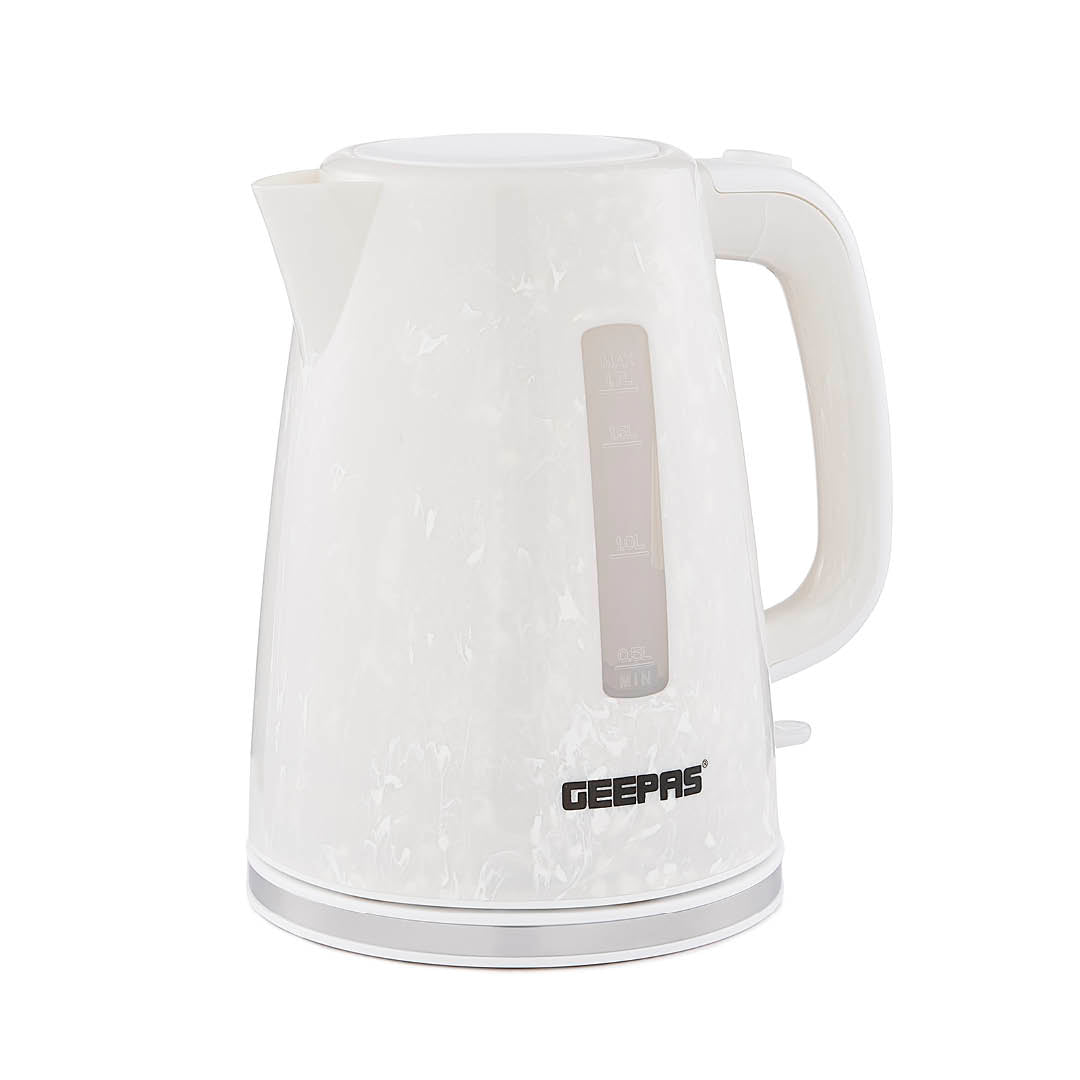
The humble electric kettle has evolved from a simple water-boiling appliance into a sophisticated piece of kitchen technology. Whether you are a tea connoisseur, a coffee lover, or someone who simply needs boiling water in a flash for culinary prep, the modern electric kettle offers speed and precision that traditional stovetop methods simply cannot match.
By utilizing an internal heating element, these devices convert electrical energy into heat with nearly 100% efficiency. In a world where time and energy conservation are paramount, choosing the right kettle is more than a convenience - it's a lifestyle upgrade.
Understanding Kettle Materials: Glass, Stainless Steel, and Plastic
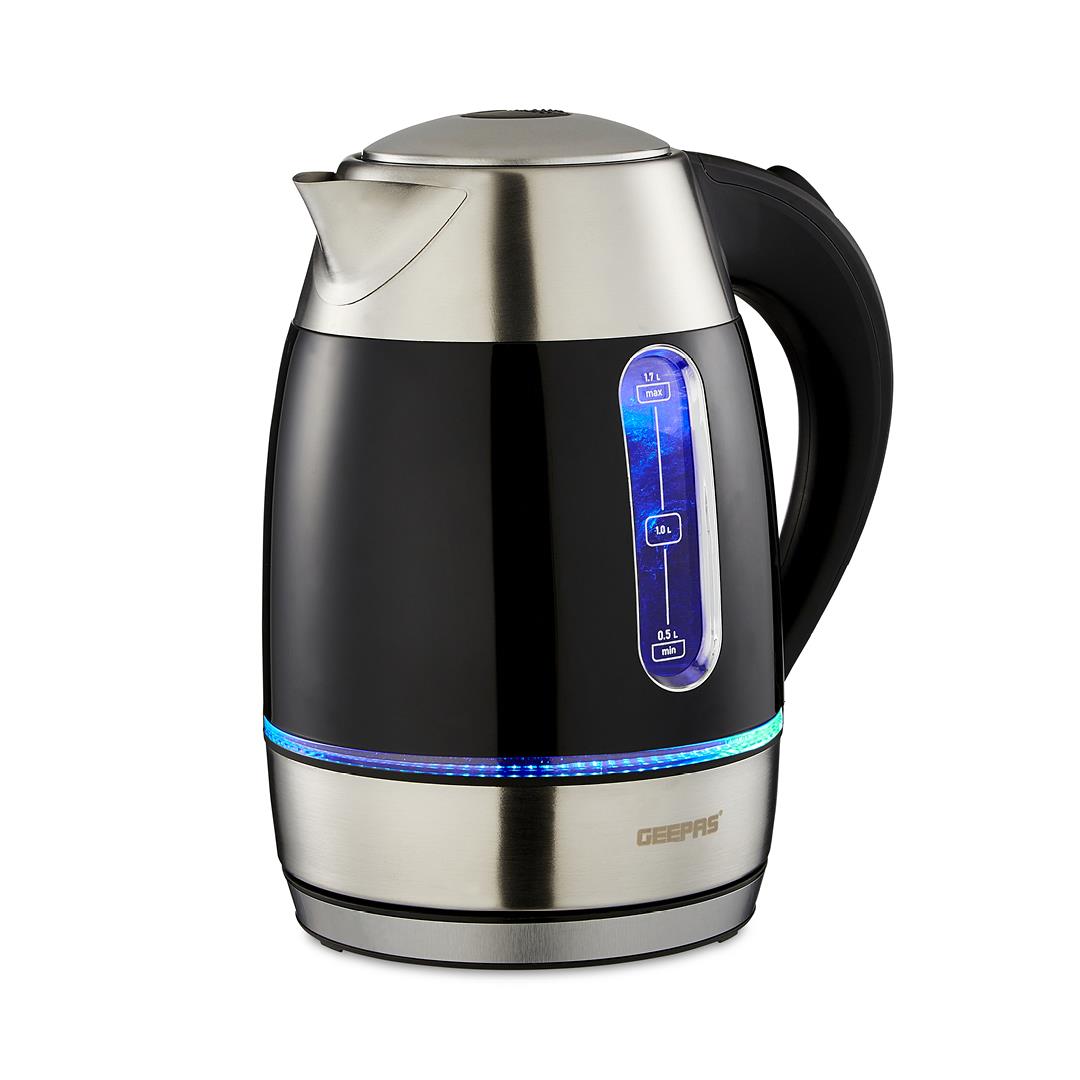
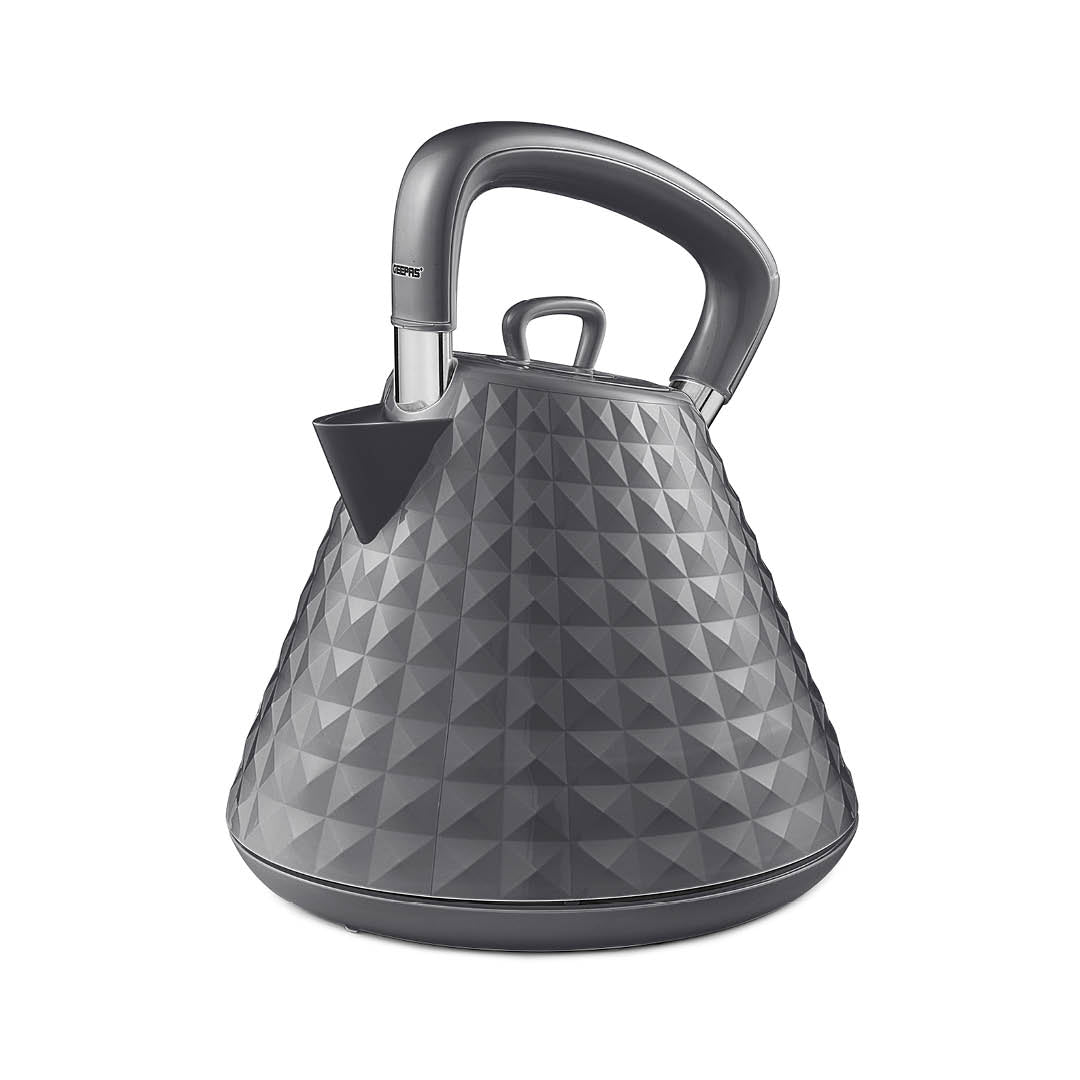
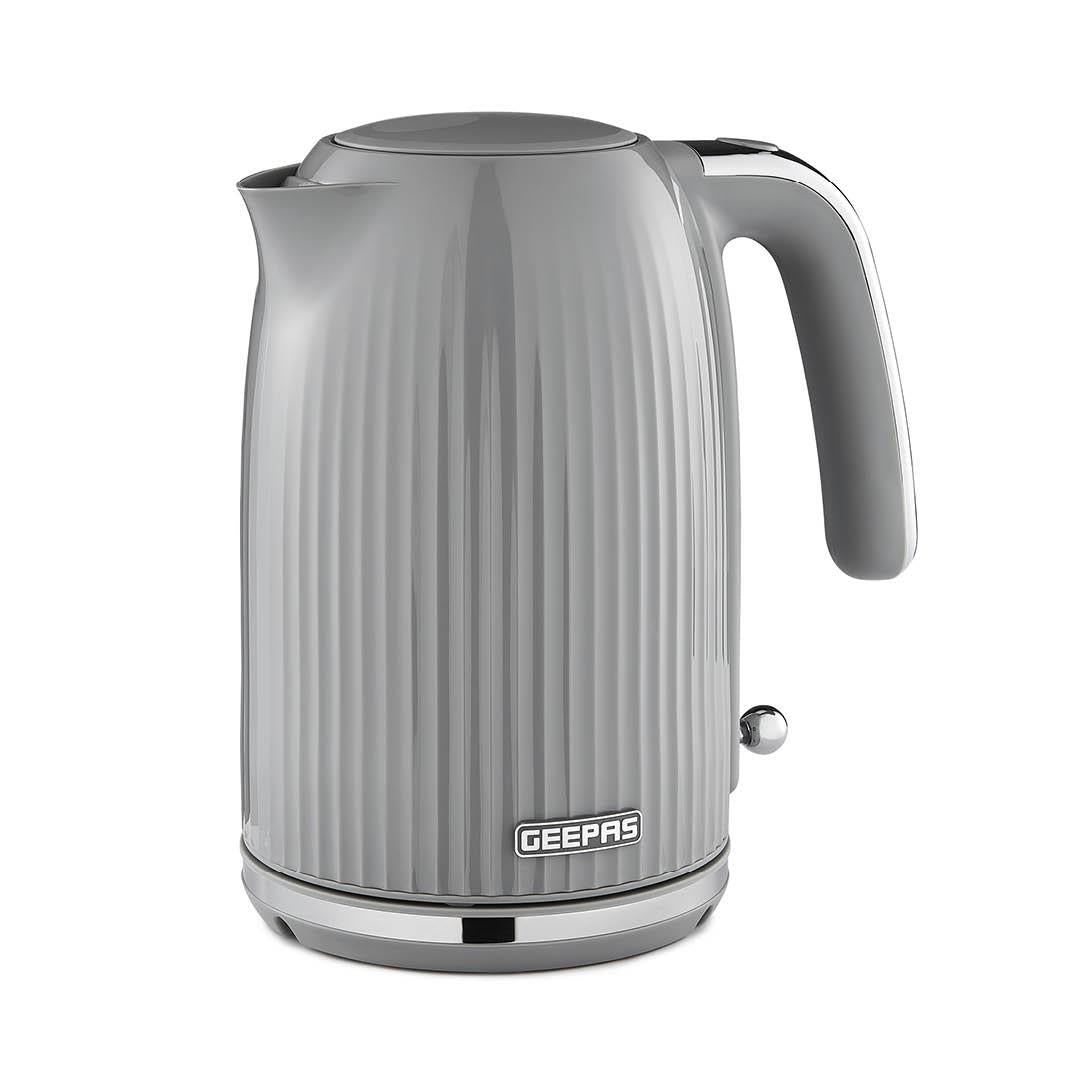
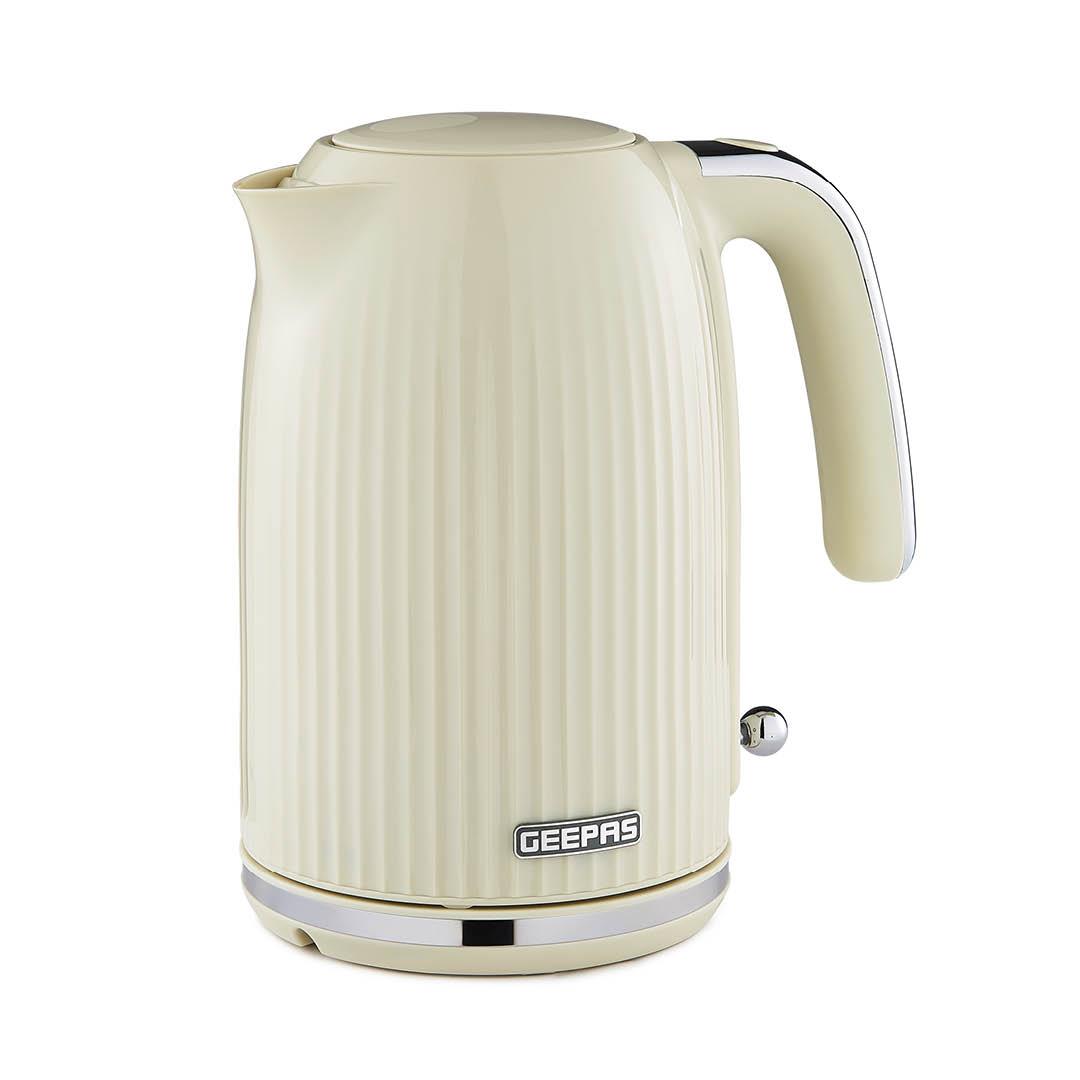
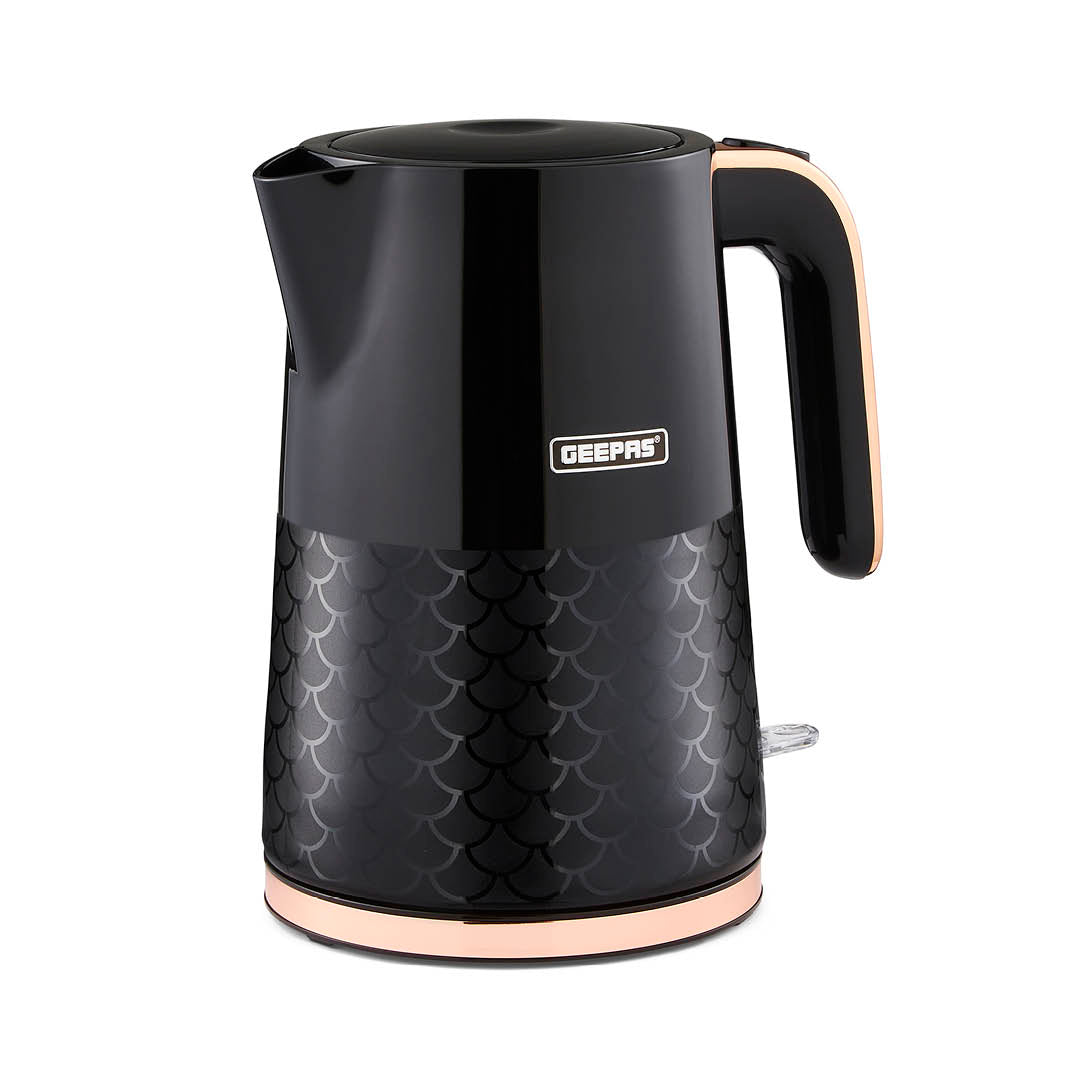
When browsing our collection, you'll notice a variety of materials. Each serves a specific purpose for the home chef:
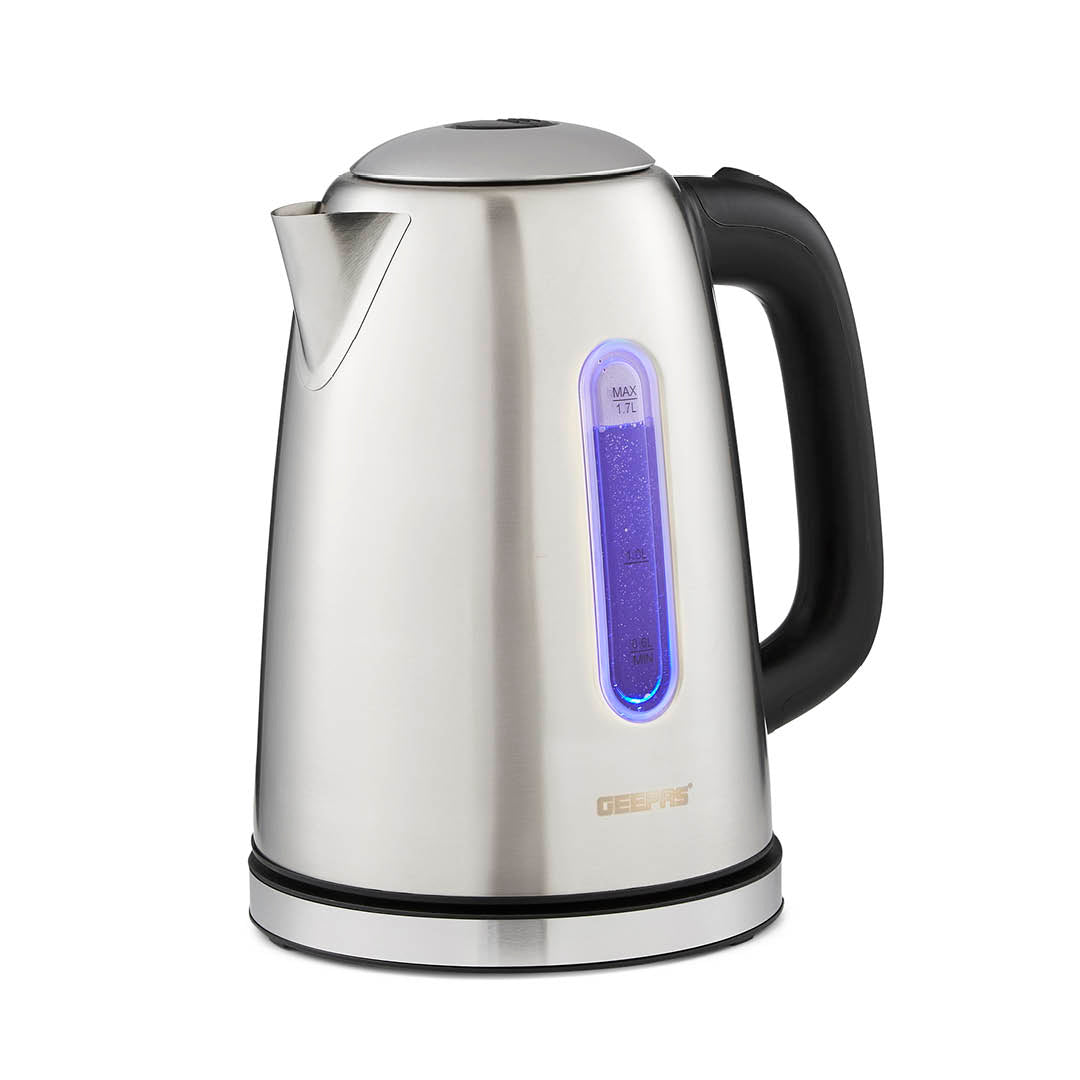
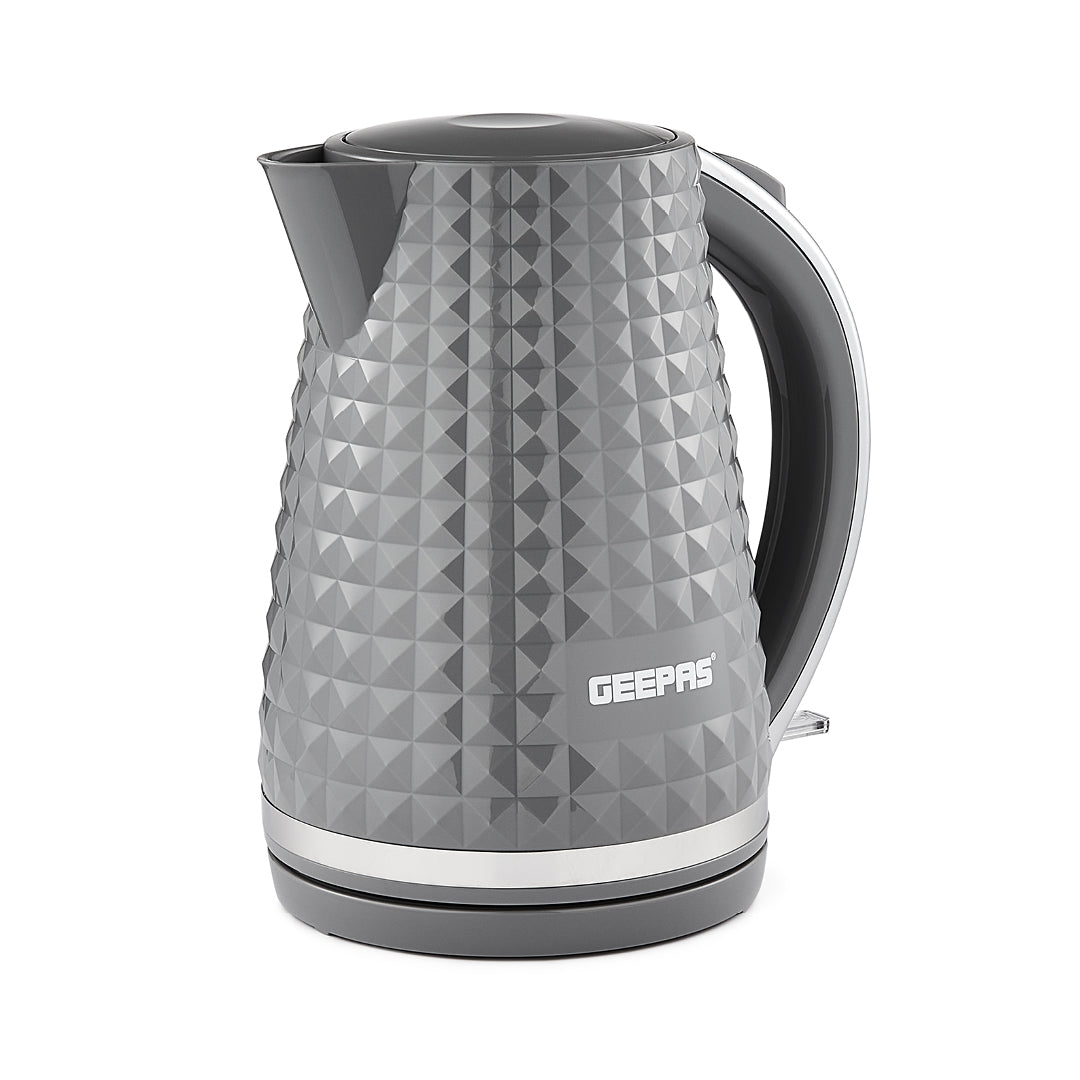
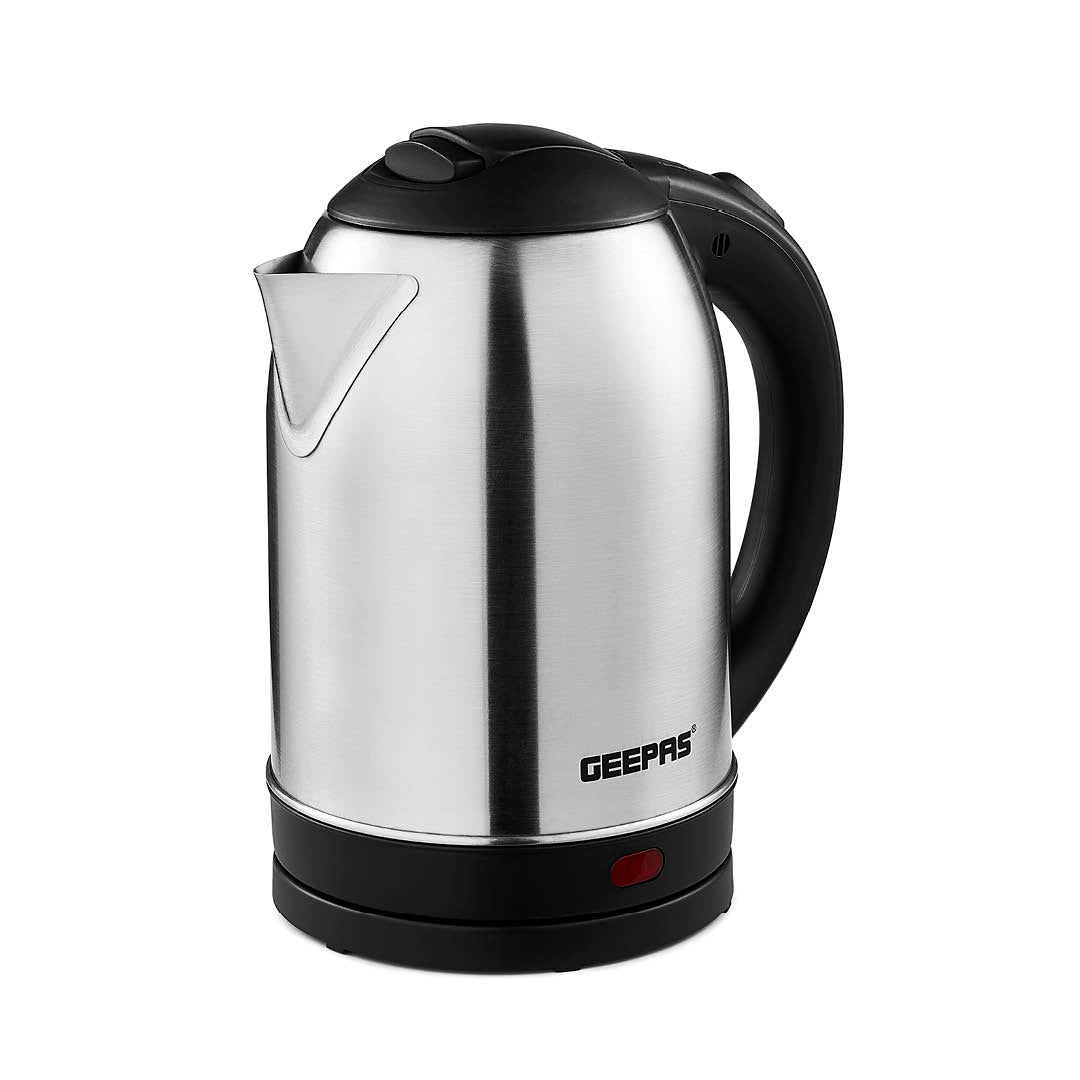
- Stainless Steel Kettles: Known for their durability and sleek aesthetic. They are resistant to rust and provide a classic look that fits any modern kitchen.
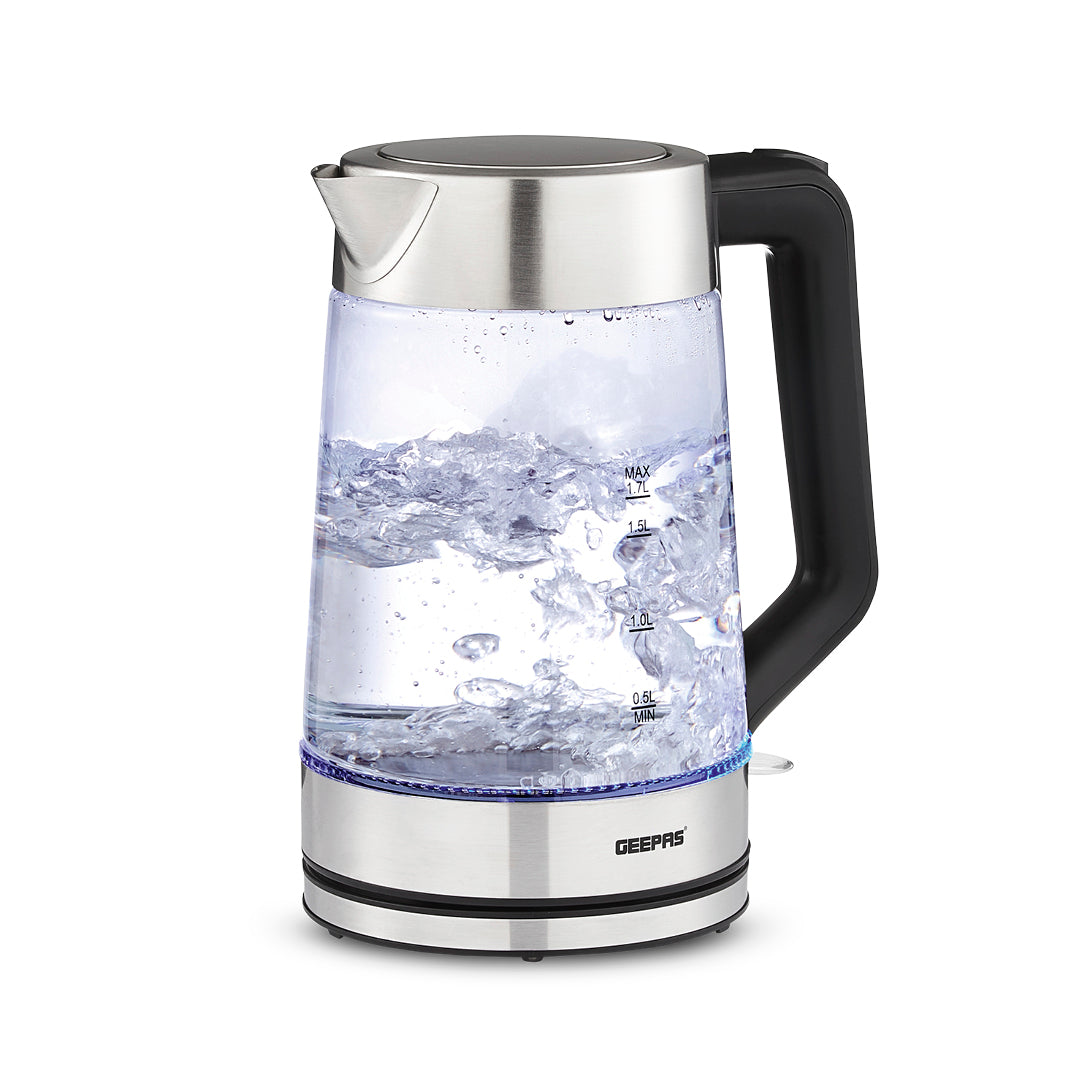
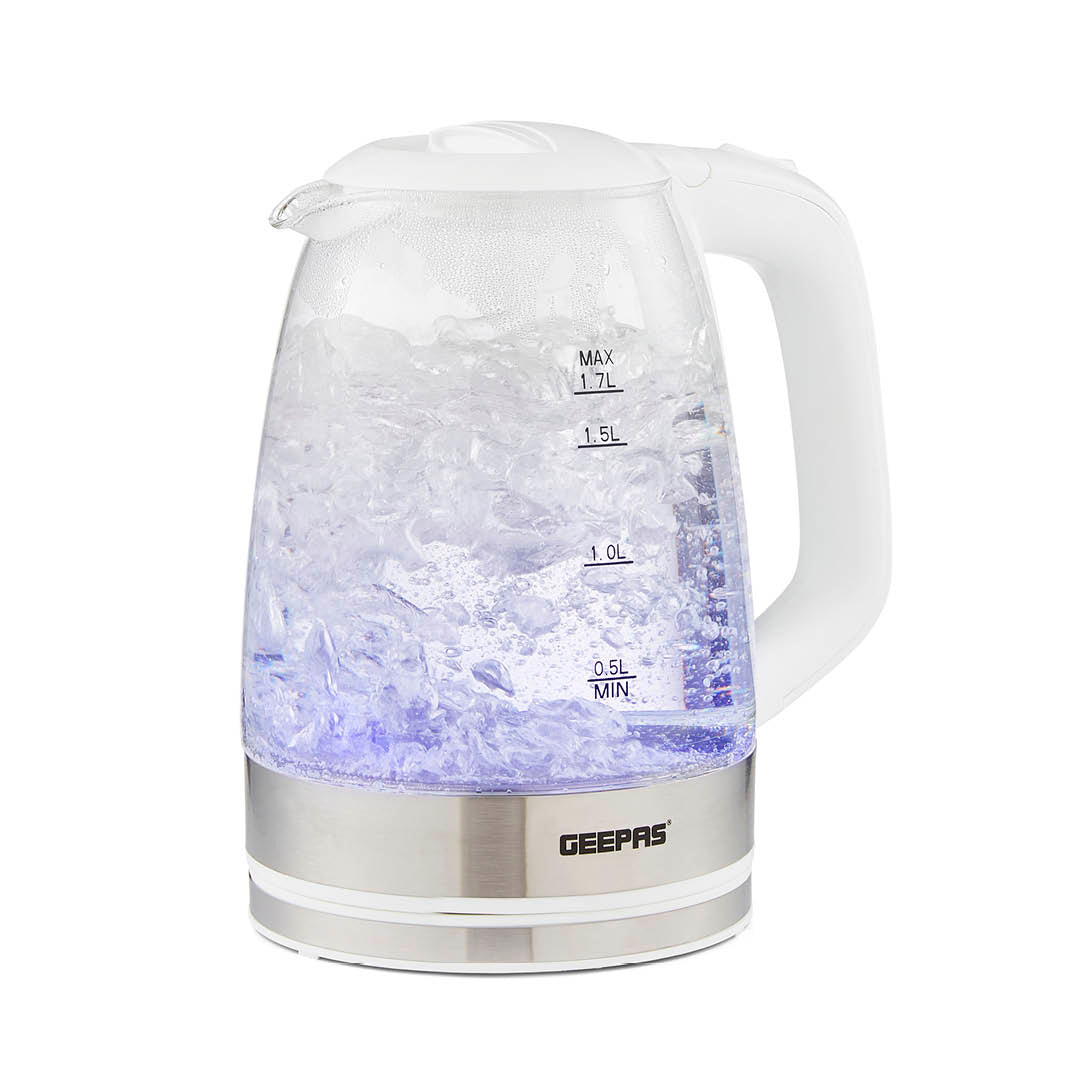
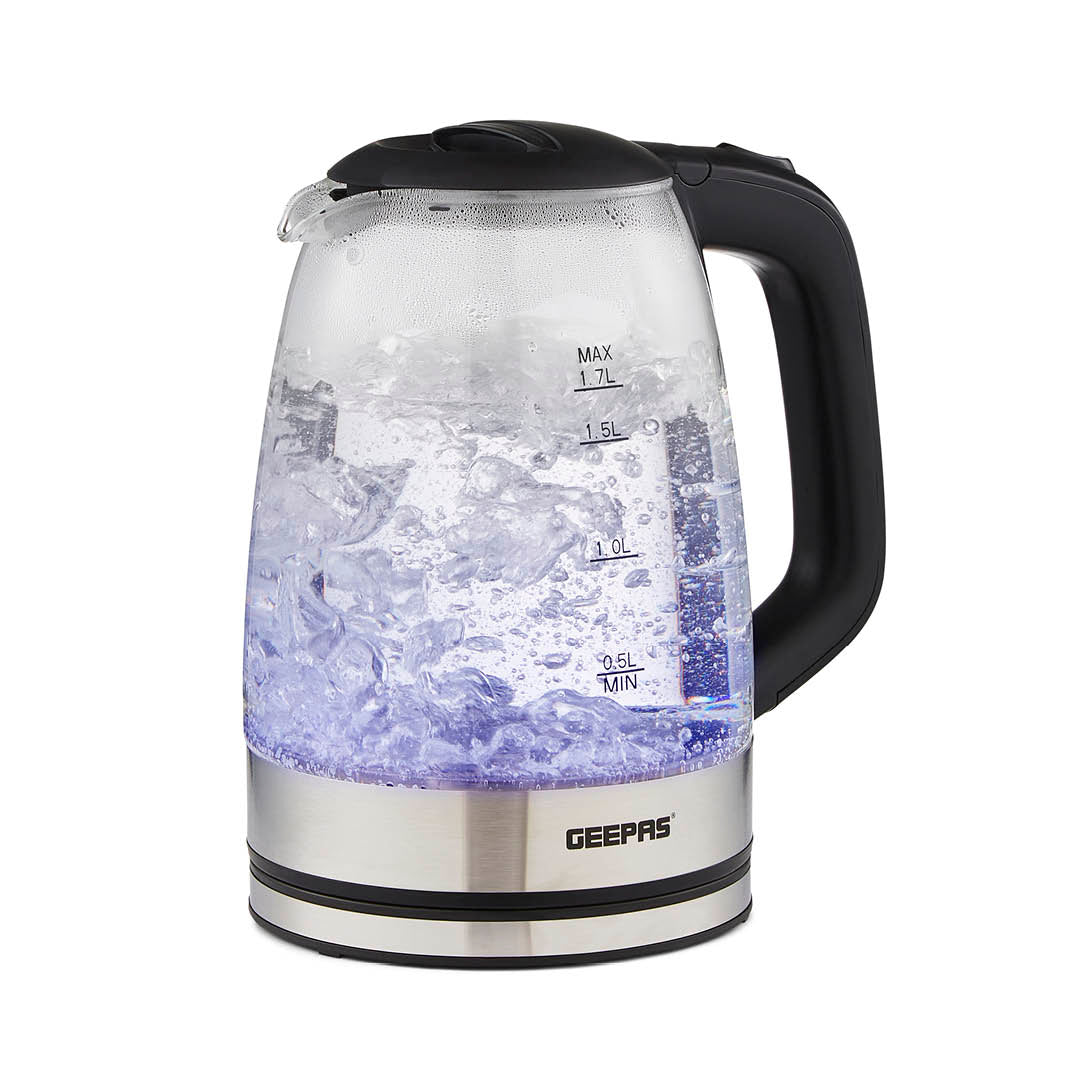
- Borosilicate Glass Kettles: Perfect for those who love the visual of boiling water. Glass is non-reactive, ensuring the purest taste for your beverages.
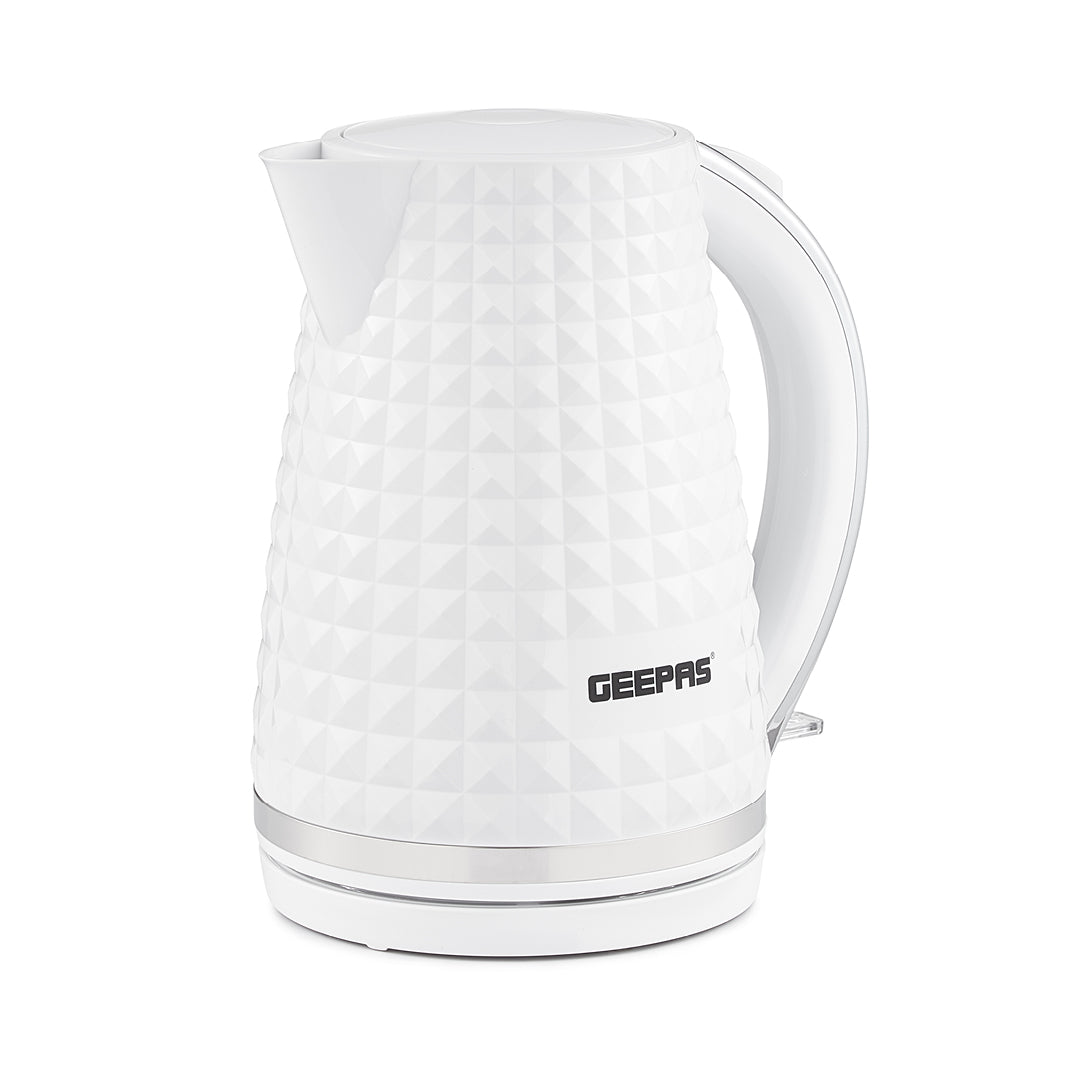
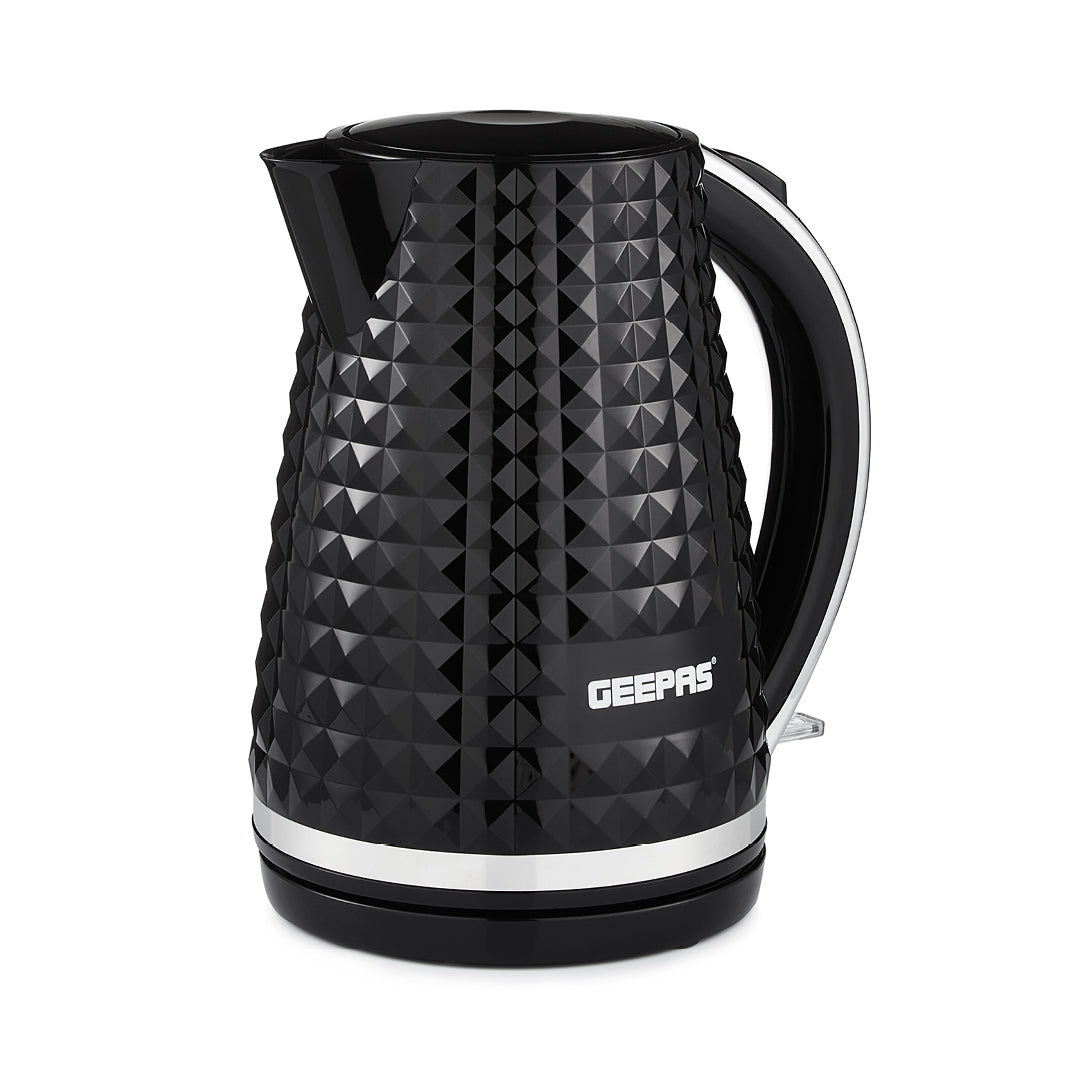
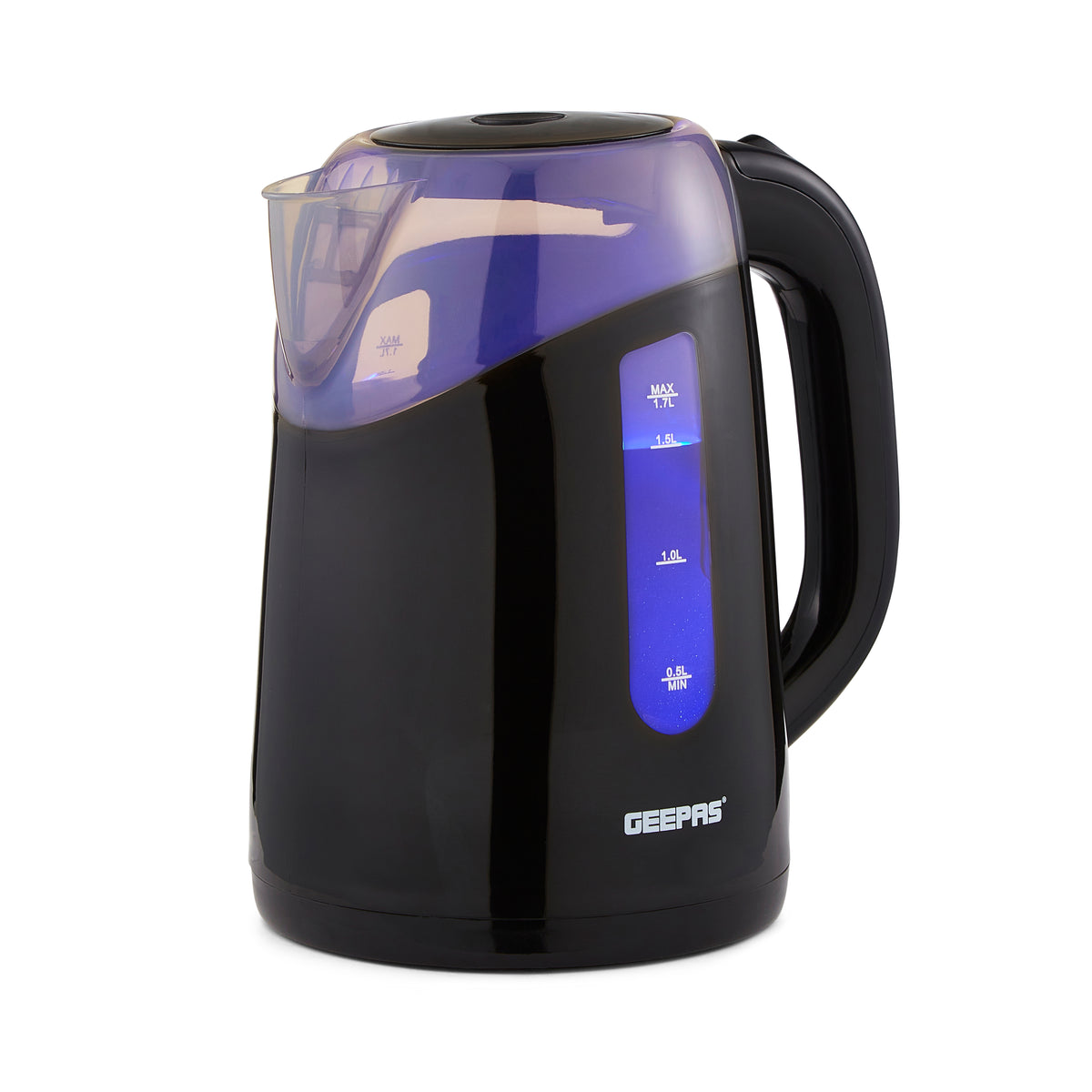
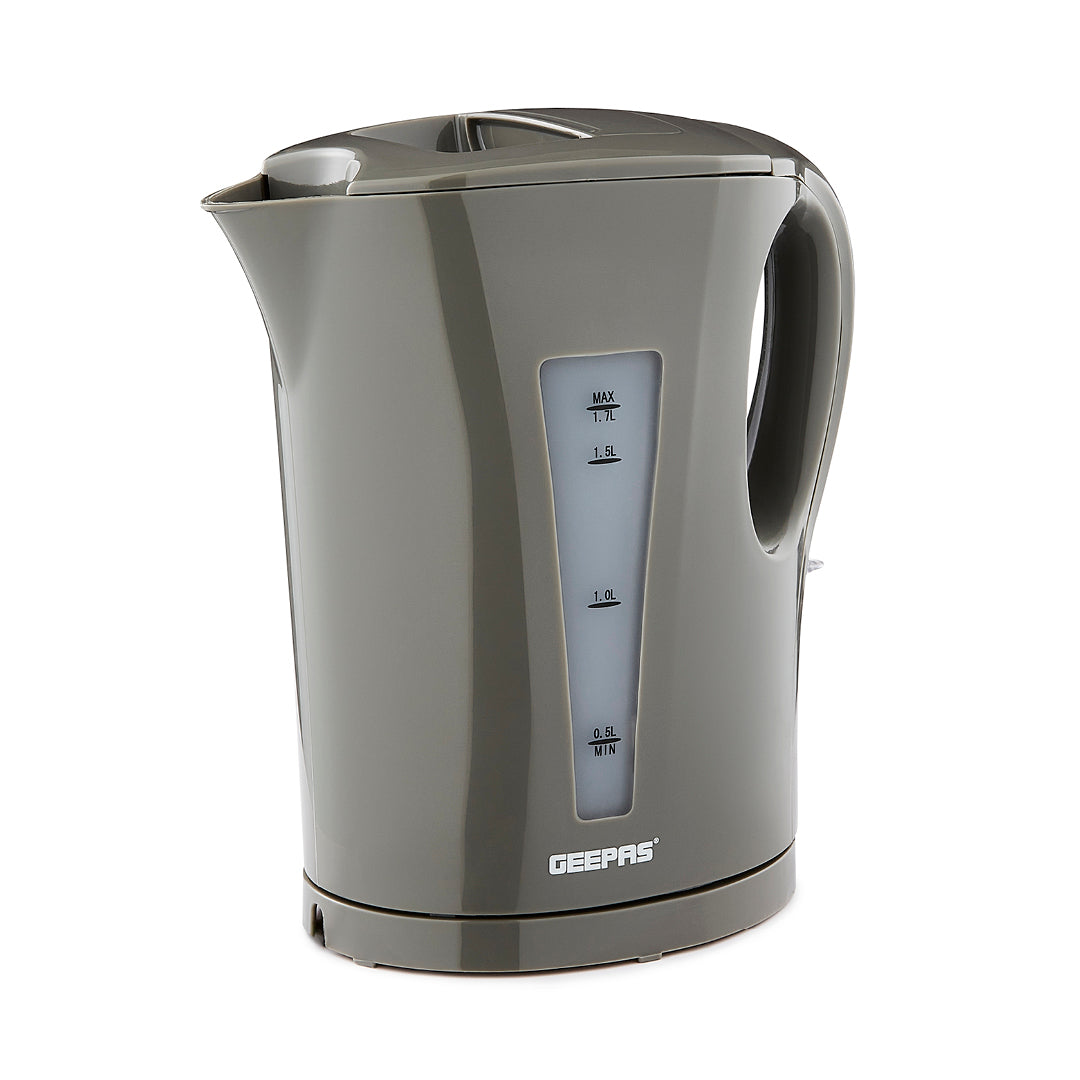
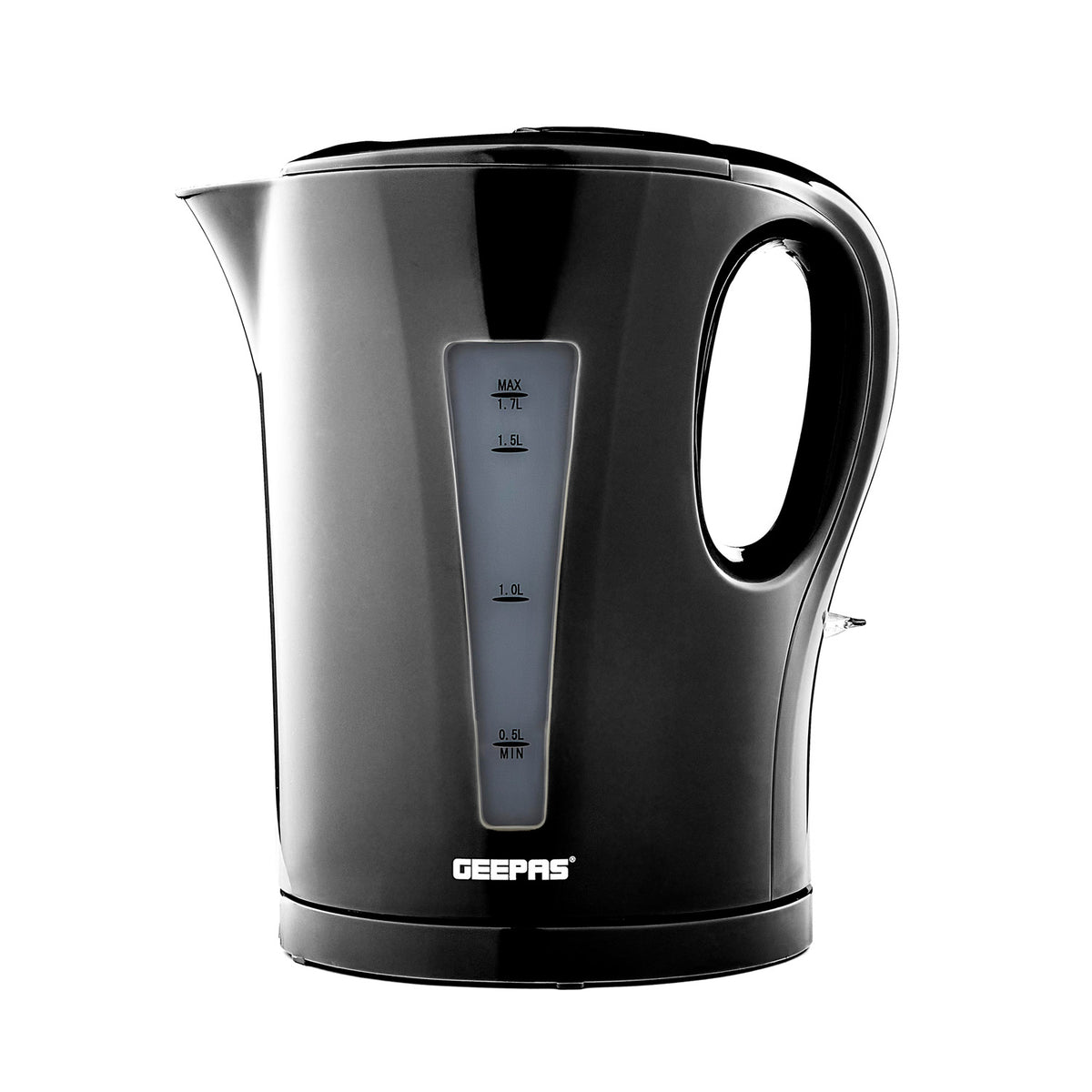
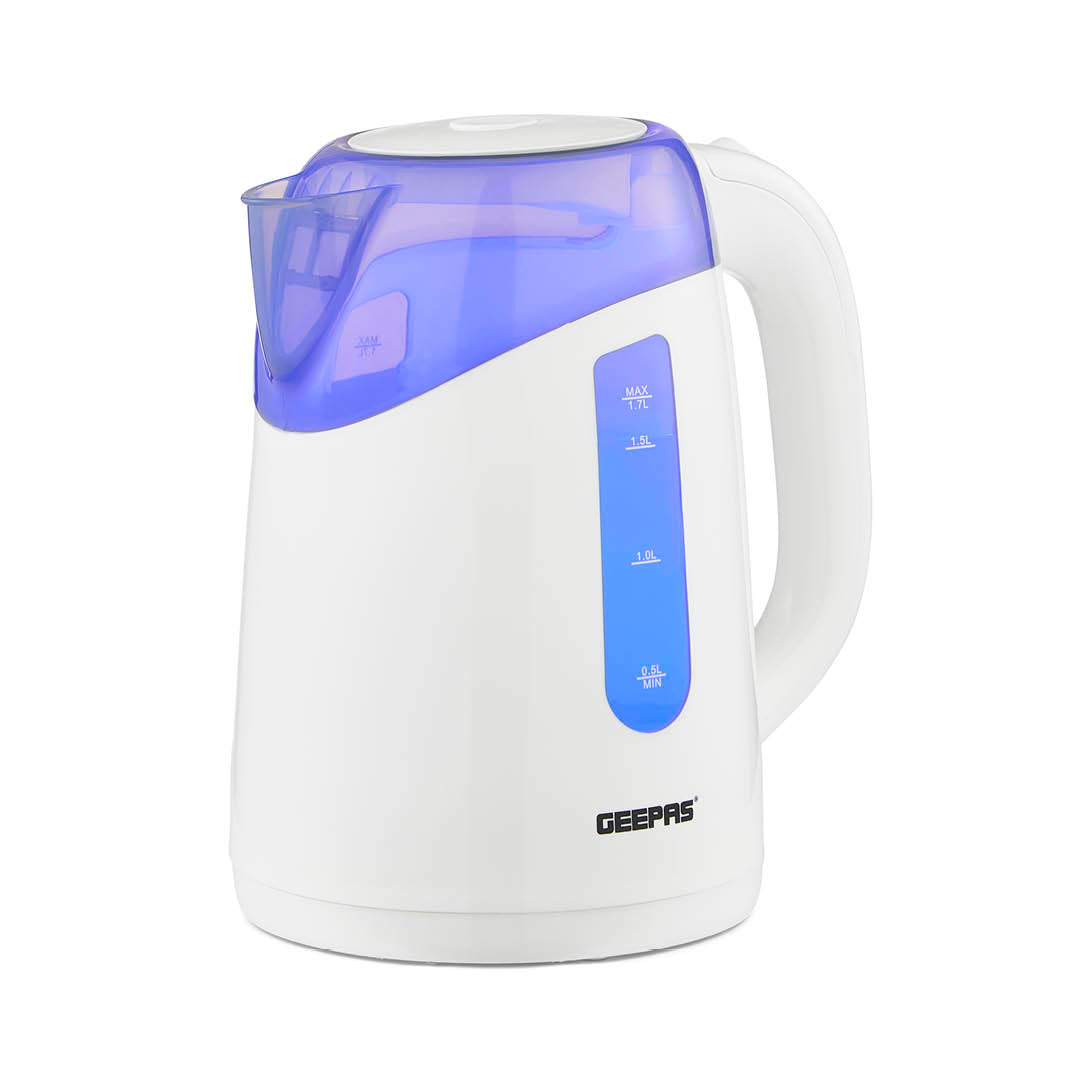
- BPA-Free Plastic Kettles: Often more lightweight and cool-to-the-touch, making them a practical choice for a busy household.
The Rise of Variable Temperature Control Kettles
One of the most significant advancements in kettle technology is variable temperature control kettles. Did you know that boiling water can actually scorch delicate tea leaves?
1. Green Tea: Best brewed at 80-degrees celsius.
2. White Tea: Requires a gentle 70-80 degrees celsius.
3. French Press Coffee: Ideally saturated at 90 degrees Celsius.
4. Black Tea & Herbal Infusions: Need a full 100-degree boil to release their full flavour profile.
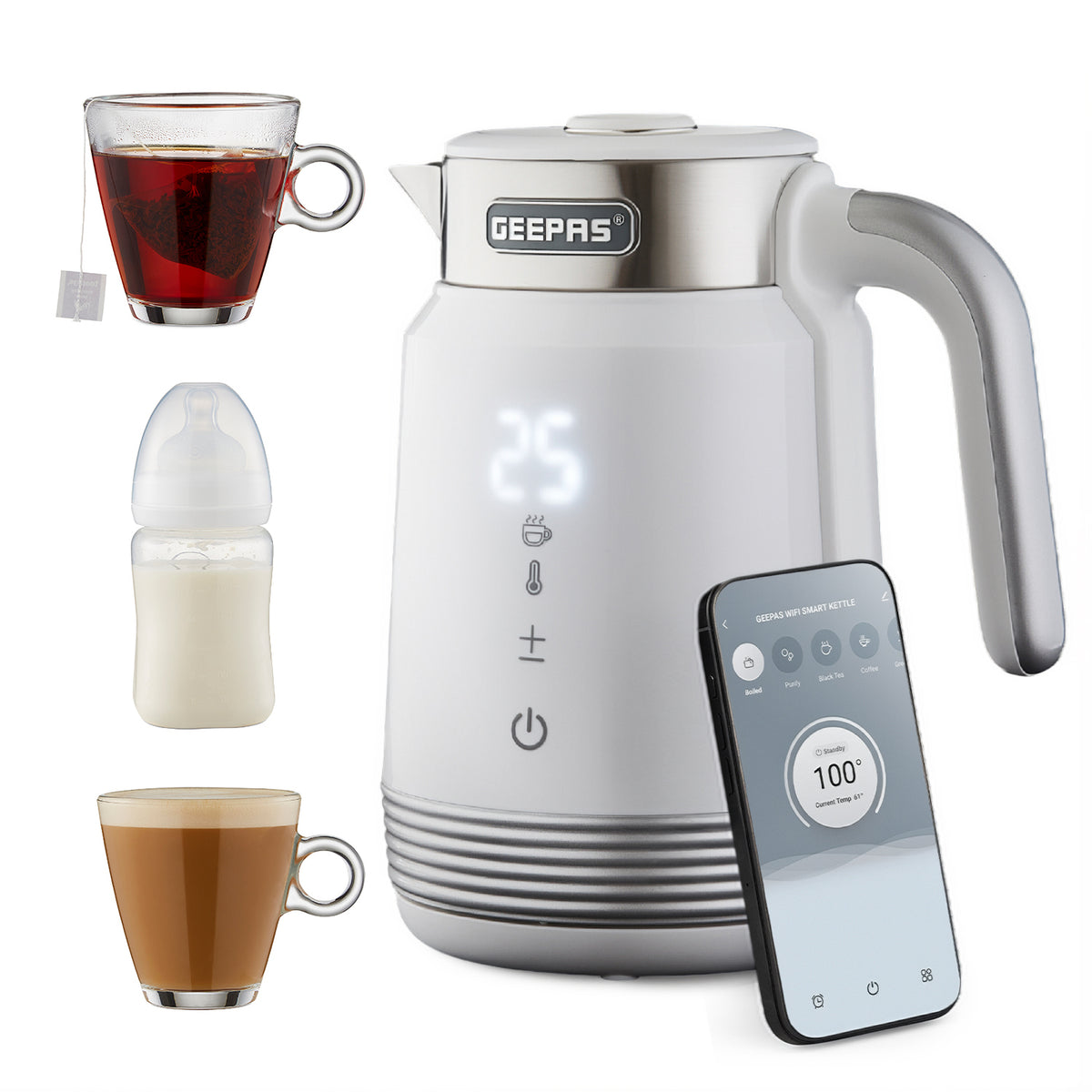
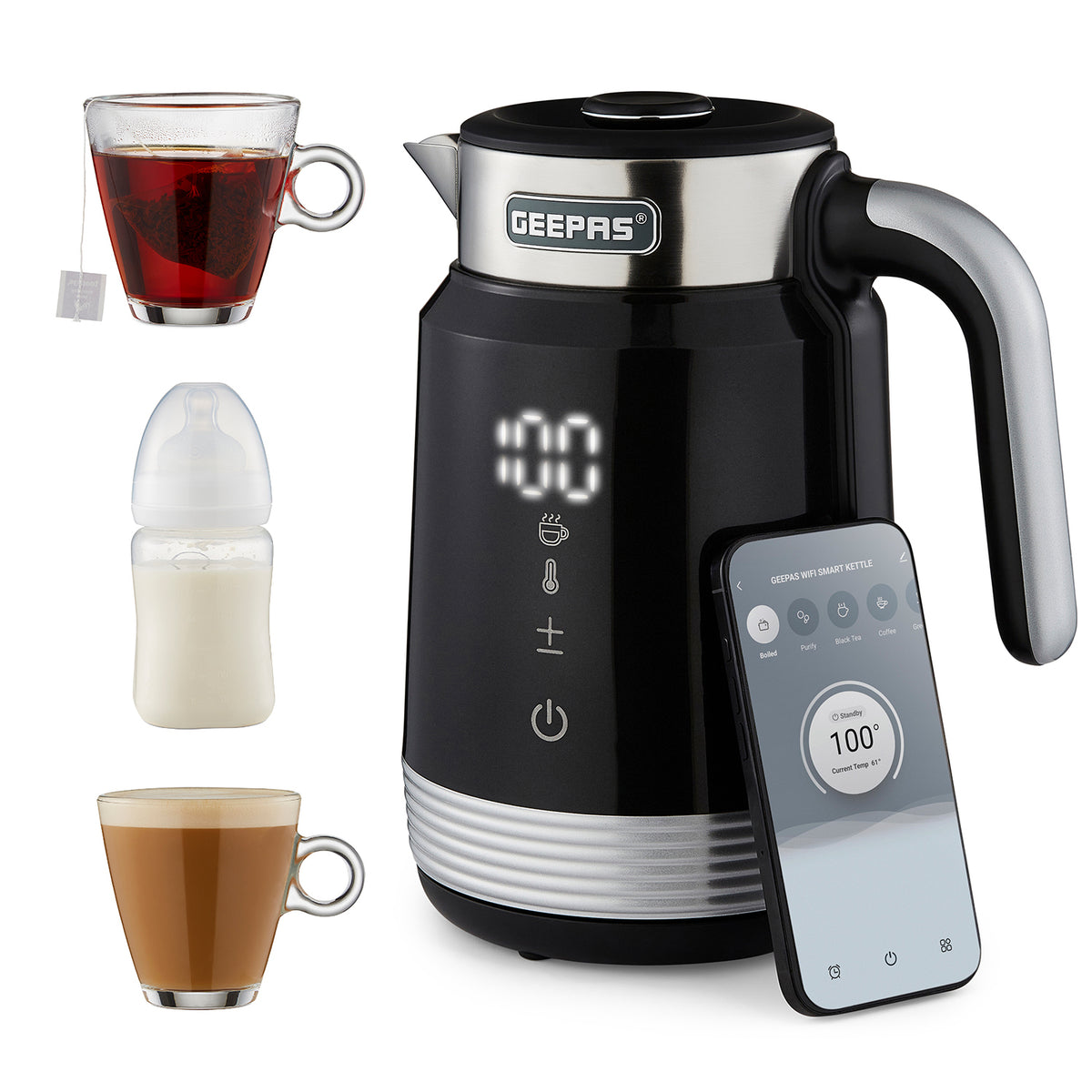
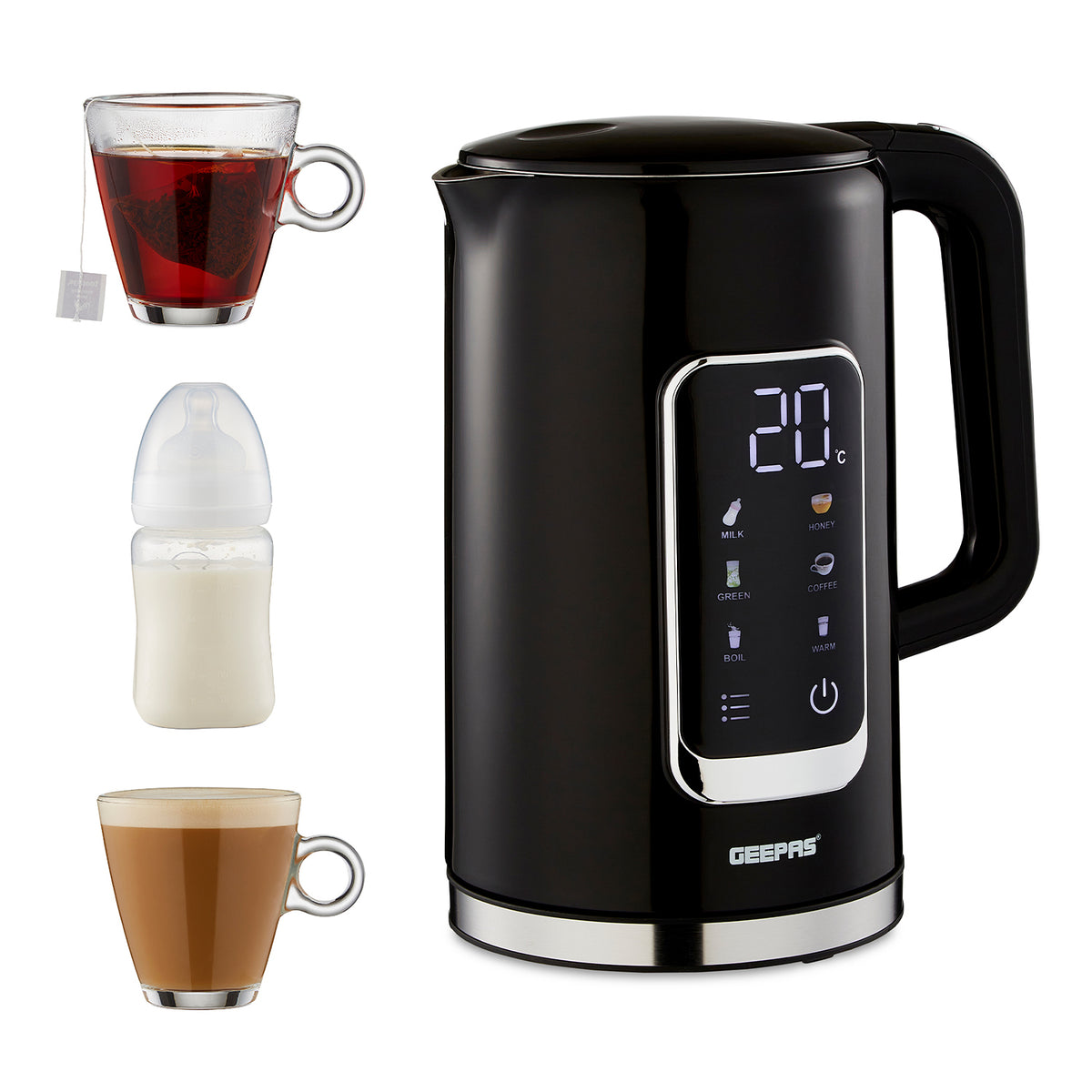
Our premium range includes models with digital displays, allowing you to select the exact degree required for your specific drink, ensuring you never "burn" your beans or leaves again.
Gooseneck vs Standard Spouts: Which Do You Need?
If you are a fan of manual pour-over coffee, a Gooseneck kettle is a non-negotiable. The long, tapered neck provides a slow, steady, and controlled flow, which is essential for even extraction of coffee grounds. Conversely, a standard spout is better for high-volume tasks, such as filling a pot for pasta or quickly prepping a large French press.
Maintenance: How To Descale Your Kettle
To ensure your kettle lasts for years, regular maintenance is key. In areas with "hard water," calcium carbonate can build up on the heating element. To descale:
- Fill the kettle with a 1:1 ratio of water and white vinegar.
- Bring to a boil and let it sit for 20 minutes.
- Rinse thoroughly. This simple process keeps your kettle running efficiently and ensures your water always tastes fresh.